
Grow Your Community
These Syracuse neighbors transformed their streets. Here’s how to give yours a makeover, too.
By Heather Thompson
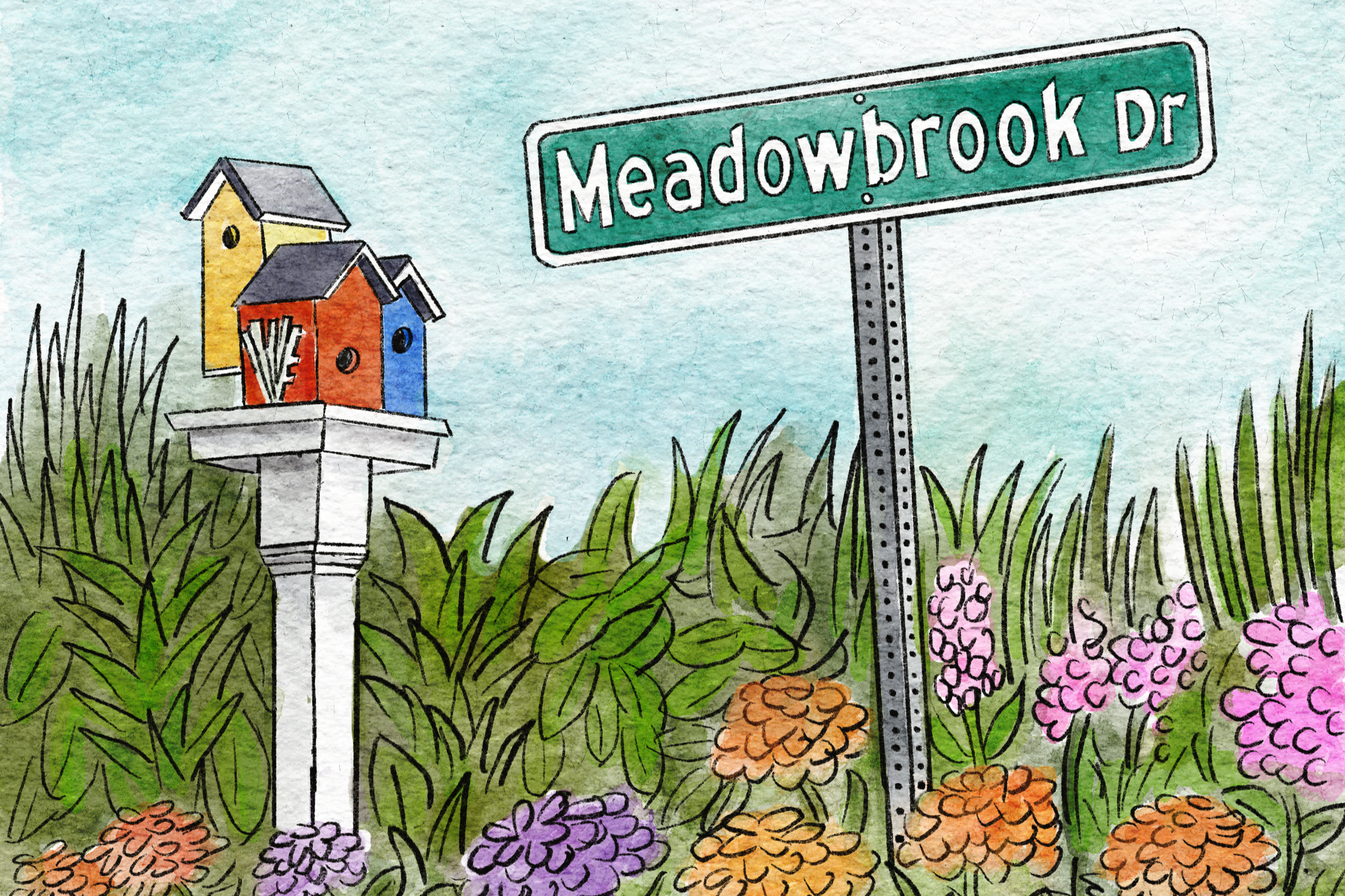
Illustration by Lauren Wojtalewski
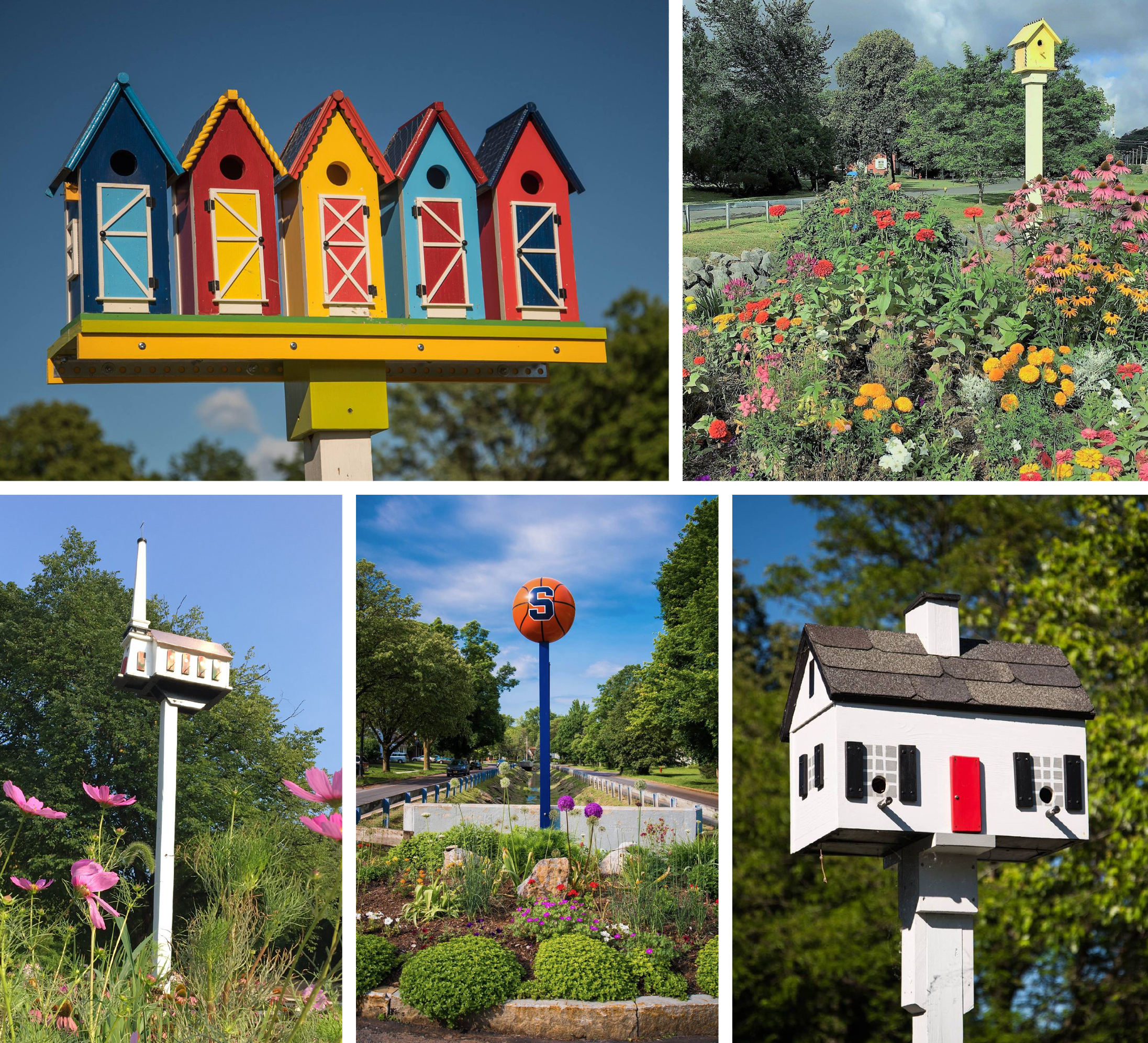
If you live in Syracuse, particularly near the east side, you’ve probably driven down Meadowbrook Drive and seen the beautiful garden endcaps. You may have even read a story about them in the past. They started around 20 years ago when Dave Kirby noticed graffiti — again — on one of the cement end caps. Another neighbor noticed, the two got talking, and the idea of planting a garden emerged. Since then, the project has grown to include nearly all the endcaps along Meadowbrook, an extensive network of volunteers and donors, and Dave’s relentless mission to keep it going. I sat down with Dave to gather tips on how you might replicate a community project like this in your own neighborhood.
All photos courtesy of Meadowbrook Gardens Neighborhood Association
Step 1: Think, Plan, Start Small
First, an idea. Then, a plan that starts small. Once you know what you want to do, whether it be a garden or something else for your community, create a rough plan of how you think you’ll implement your vision. Keep it modest; you have to begin with something you can manage on your own while you build a support network. If you can’t keep it up, it will become hard to get community buy-in on something that isn’t flourishing. It doesn’t have to be big to be impressive. People always want to be part of something that already has a positive presence.
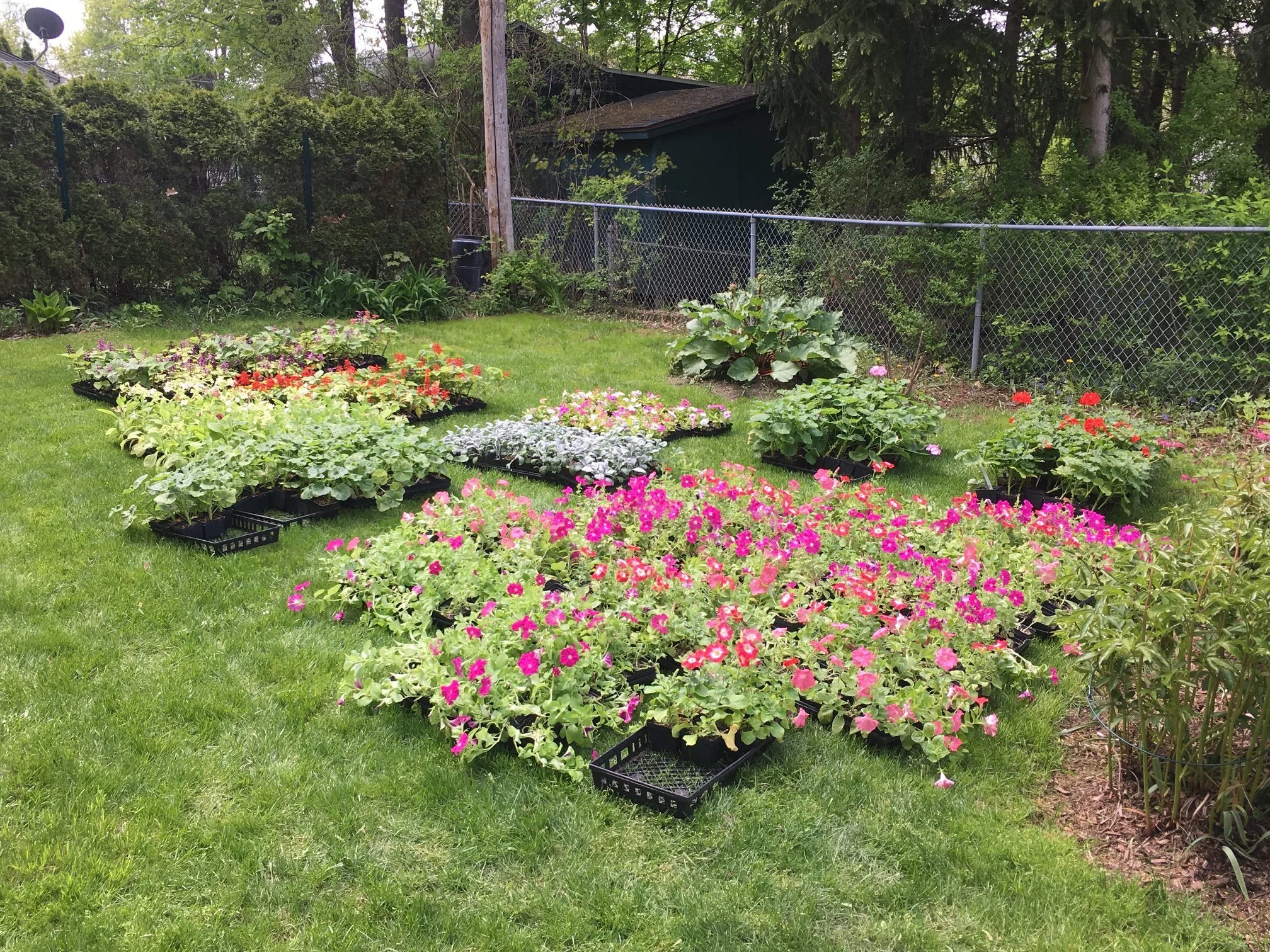
Photo courtesy of Meadowbrook Gardens Neighborhood Association
Step 2: Be Ready to Make a Big Time Commitment.
Any community project requires a leader to get the ball rolling and keep the momentum going. For Dave, managing a single end cap on his own turned into establishing a 501(c)(3). This is a type of nonprofit that requires a board of directors, a president, keeping books, filing taxes, and other operational tasks. He also makes logistical phone calls, coordinates the purchasing of plants and mulch in bulk, hires workers to spread it out, and more. You’ll probably be funding much of the project yourself until your venture is more established. Often, donations and support don’t come until after you have something to show for your efforts. If you’ve got a big idea, be ready to make a big commitment.
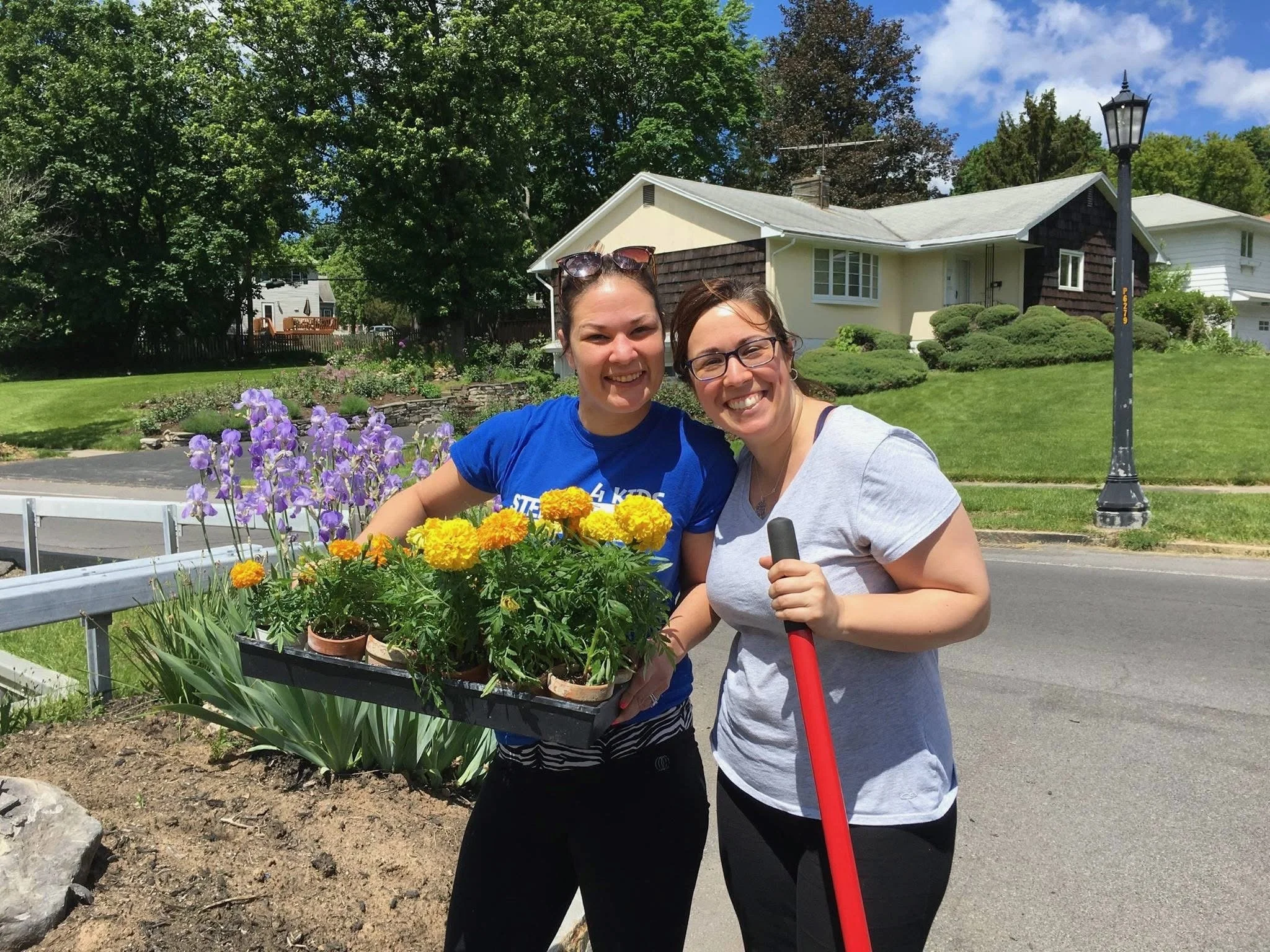
Photo courtesy of Meadowbrook Gardens Neighborhood Association
Step 3: Get the Necessary Approvals.
Once Dave had his idea, he went to the City of Syracuse Parks, Recreation, and Youth Programs department. From here, he learned which approvals he needed. Go to your city or town government and ask questions. Be ready with a proposal; the more information you can bring, the clearer the path to success will be. Don’t ask for forgiveness later. This can foster hard feelings between various parties involved, and there are likely other larger factors at play that you’re not aware of. Getting approvals builds trust and opens doors between your idea and those who can make it or break it.
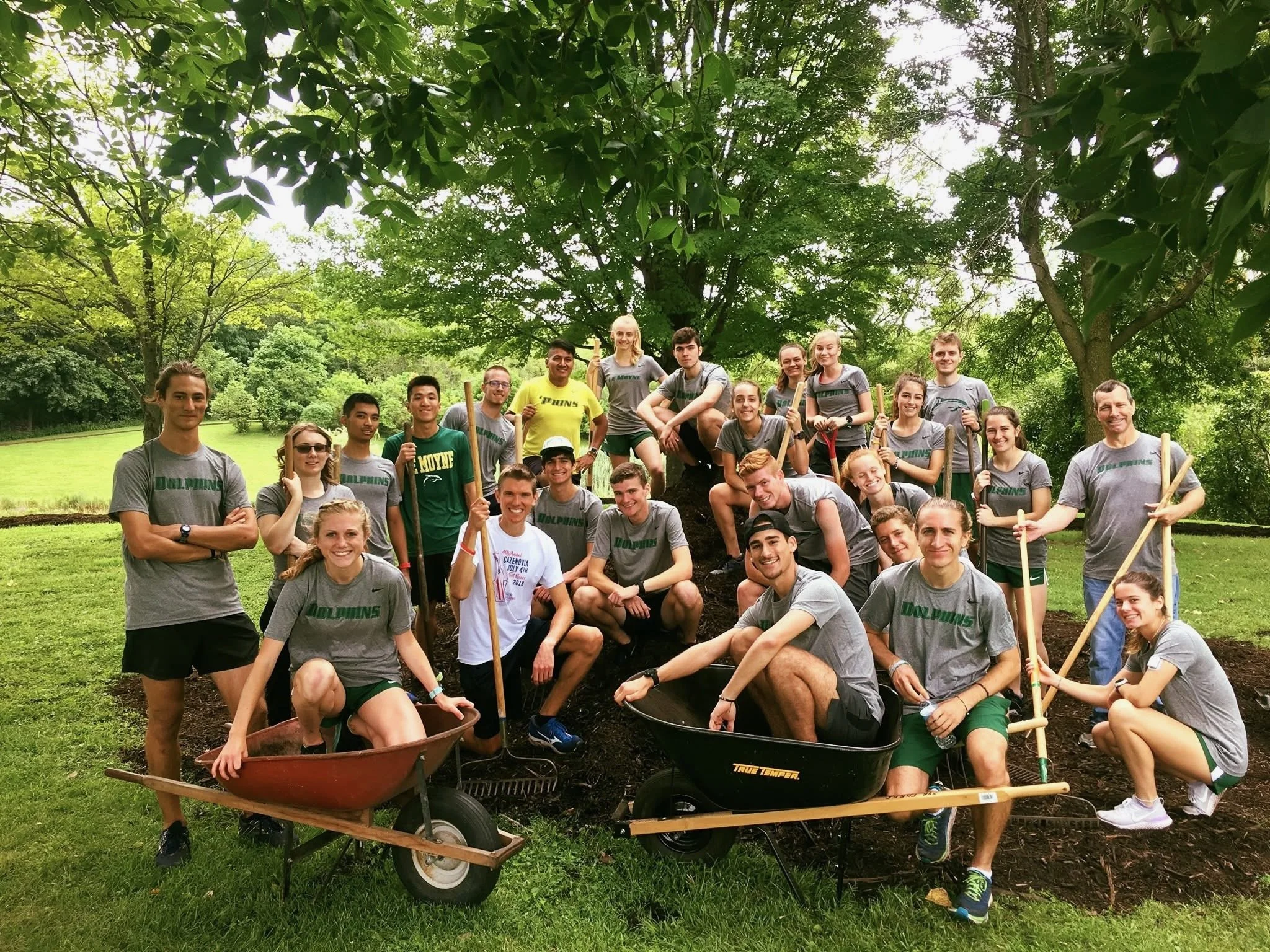
Photo Courtesy of Meadowbrook Gardens Neighborhood Association
Step 4: Get Help.
If you leave with just one piece of advice from Dave, he wants it to be this: you need volunteers. Projects such as these can only be successful if you have community participation. That means having volunteers who are willing to do the work, donors to help you grow, and a network of contacts. Much of Meadowbrook’s success is a result of friendly neighbors sharing information, resources, and contacts, because they wanted to keep enjoying the beauty Dave was able to bring them. Such generosity was achieved through friendly, social interactions and building genuine relationships with neighbors, not cold-calling.
Step 5: Grow.
Once you make an impression and keep it going, others are going to want to be involved. You’ll be surprised by what your neighbors can bring to the table: monetary and experiential resources, contacts, information, new ideas, and so on. Don’t expect to achieve what Dave has all at once. A successful community project grows slowly, steadily, and authentically. Talk to your neighbors, hear their ideas, and work together as a team.
If the recent nationwide feelings of division have taught us anything, it’s that we need to make our own beauty in the world, and we need each other to do it. If you’ve been pondering a community idea, this is your sign to get started. Be the light in your neighborhood!