
Doctors Warn: Nicotine Is Harming Local Kids

By Kelly Quinn
There are highly addictive, easy-to-conceal nicotine products that are threatening our children: e-cigarettes and nicotine pouches. These modern products look different from old-school cigarettes, but they still pose serious risks to our children’s health and development.
Local health professionals are seeing the consequences firsthand, and they have important warnings for parents.
“I’ve treated young patients whose lungs are already showing signs of damage from products that were marketed as ‘safe’ or ‘clean,’” said Dr. Pranita Ghimire, pulmonary and critical care medicine specialist at St. Joseph’s Health. “Vaping and nicotine pouches may look harmless, but they’re silently rewiring the brain and weakening the body. What’s most heartbreaking is that these products are designed to be invisible to parents until the harm is done. We must act now.”
Although cigarette smoking has declined dramatically, e-cigarette use remains common.
“While we’re seeing some progress in reducing tobacco use overall, the prevalence of e-cigarette use among youth remains alarming,” said Kristen Richardson, director of the CNY Regional Center for Tobacco Health Systems at St. Joseph’s Health and director of Tobacco Free Communities Delaware, Otsego & Schoharie. “It is imperative that we continue to support initiatives that focus on tobacco prevention, especially those targeting the marketing tactics of the tobacco industry that specifically aim to recruit young people.”
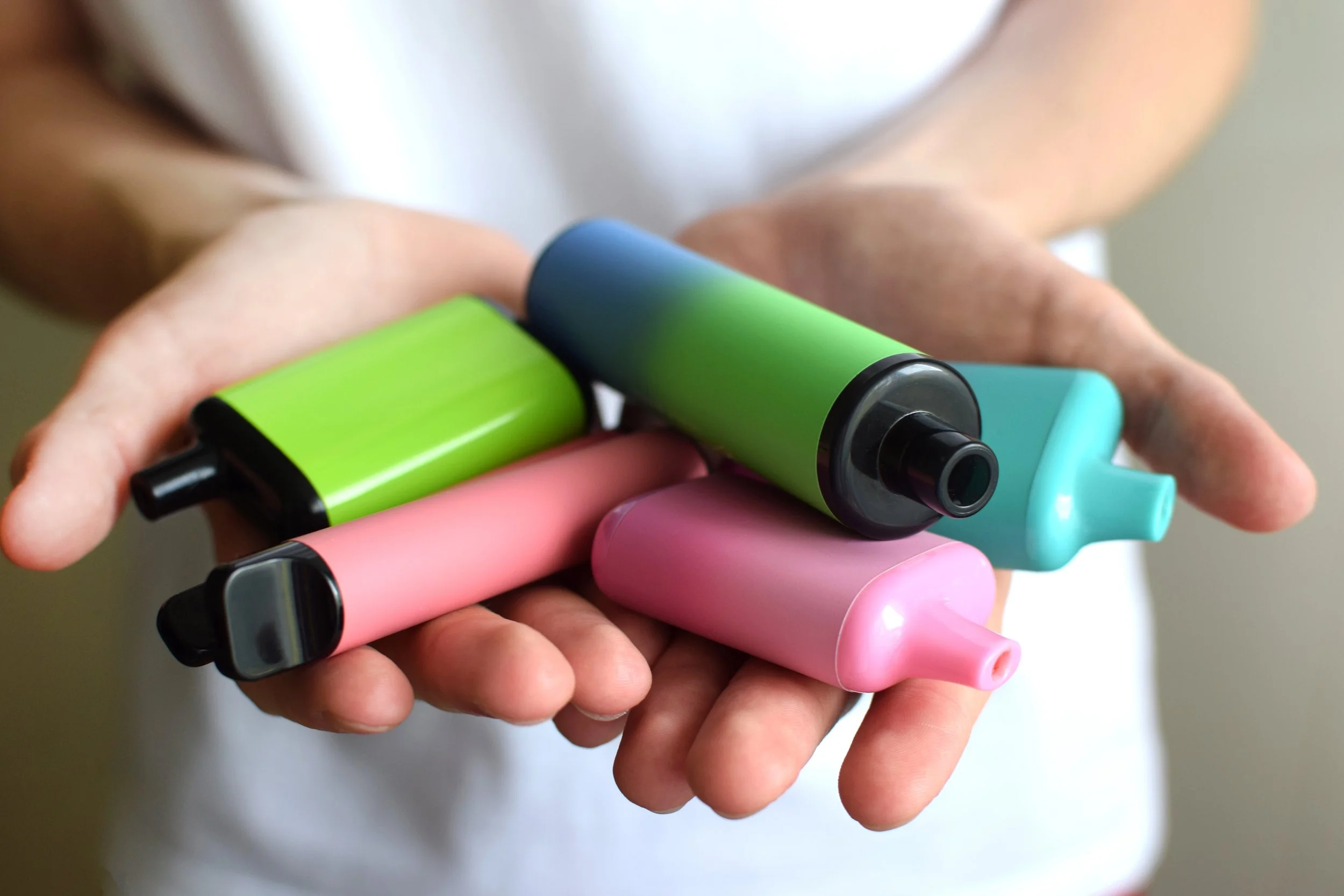
Those marketing tactics give the illusion that vaping is safe. Candy, mint, and dessert flavors mask the nicotine and make vaping seem harmless. E-cigarettes have sleek designs. Some resemble pens, watches, USB drives, and makeup, making them very easy to hide from parents and teachers. Unlike traditional cigarettes, e-cigarettes usually have no smoke or odor.
“The dangers of vaping are very misunderstood by youngsters,” Ghimire said. “They think it is cool and they’re unknowingly subjecting themselves to lifelong suffering.”
The aerosol component of e-cigarettes contains toxic chemicals, including carcinogens, volatile organic compounds, heavy metals and diacetyl, which is linked to lung disease. These chemicals can damage the lungs, heart, and blood vessels. E-cigarettes also often contain extremely high levels of nicotine, which is highly addictive. Nicotine can damage the brain, increase the risk of other substance use disorders, and impair cognitive function.
“These ingredients can cause long-term damage to the respiratory system, and we’re seeing more young patients with symptoms that resemble chronic lung disease,” Ghimire said. “They have airway inflammation, bronchitis patterns, progressive lung damage, and in some cases, life-threatening acute lung injury needing ICU admission for acute respiratory failure.”
Vaping has been associated with conditions like bronchiolitis obliterans, known as popcorn lung, chronic obstructive pulmonary disease (COPD), and a higher risk of heart disease.
“Ingesting all this nicotine can also harm a child’s brain and impact their ability to pay attention and learn,” Richardson said. “It also affects their mood and impulse control and makes them more susceptible to becoming addicted to other substances, including opioids.”
Because vaping is so discreet, it can be difficult for parents to know if their child is using e-cigarettes. Signs to watch for include coughing, chest pain, fever, weight loss, nausea, abdominal pain, diarrhea, and recurring lung infections, like bronchitis or pneumonia. Unfortunately, it can be easy for parents to dismiss signs of vaping, thinking their child has a cold or seasonal allergies.
Parents should also watch for changes in physical endurance. If a typically active teen becomes winded during routine activities, like walking up the stairs, it could be a sign of vaping-related lung damage.
“Don’t discount the possibility of vaping if you notice your child’s activity tolerance shift,” Ghimire said. “For instance, an athlete suddenly becoming winded during practice when there is no obvious change in the difficulty of the practice could be a sign of vaping.”
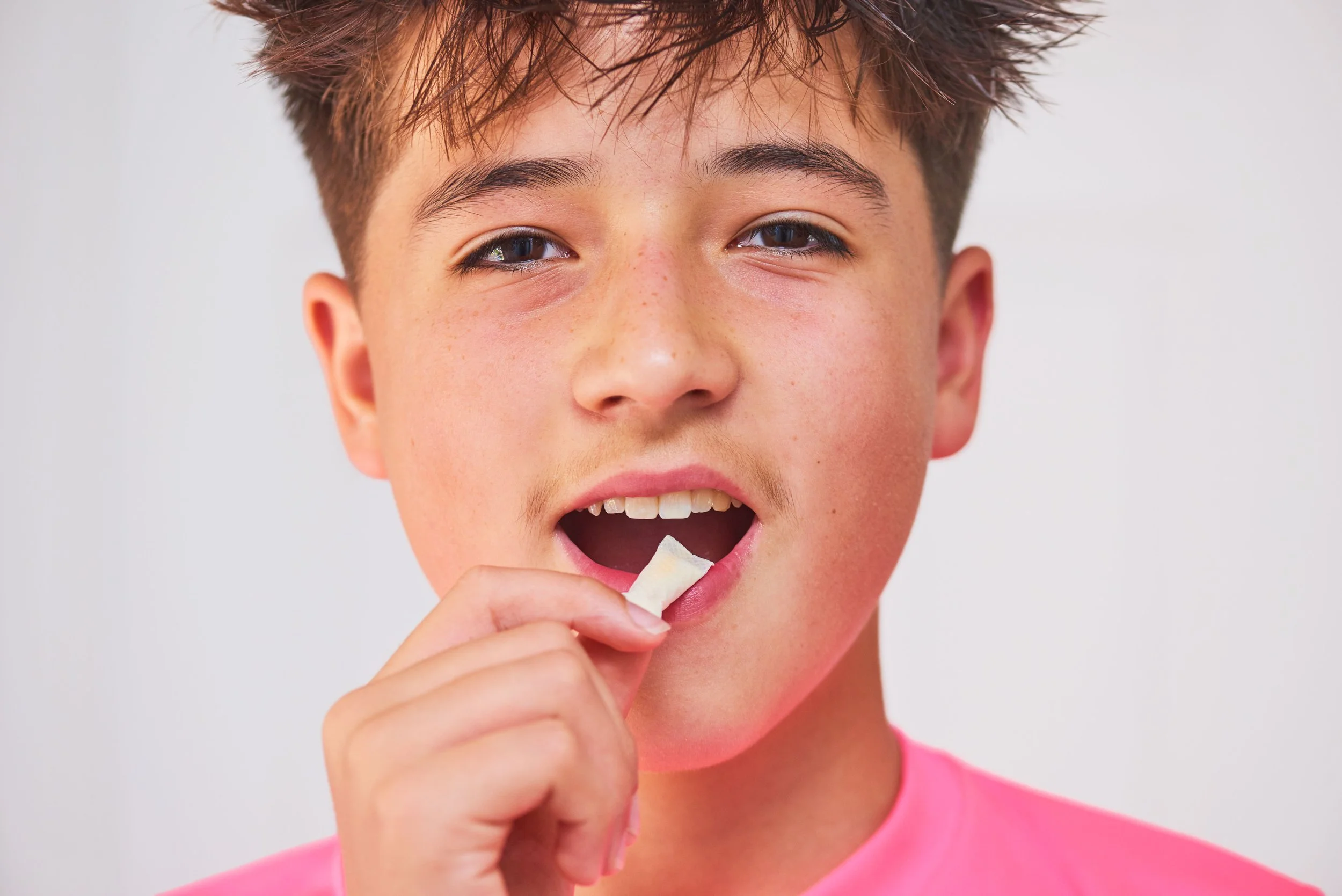
The other new nicotine trap, nicotine pouches, are small, discreet packets filled with nicotine powder. Typically white, though available in a variety of colors, these pouches are placed between the lip and gum to deliver a nicotine “hit” similar to smoking. Popular brands like Zyn and DIM market them as a cleaner, more convenient alternative to vaping. With no odor, vapor, or device required, they’re easy to conceal and often go unnoticed, making them especially appealing and dangerous for youth.
According to the New York Youth Tobacco Survey, nicotine pouch use among high school students doubled from 1.5 percent in 2022 to 3.0 percent in 2024. Sales rose an alarming 241.3 percent between September 2022 and September 2024. Mint is the most popular flavor, followed by candy, fruit, and drink flavors.
“We’re seeing a new generation of nicotine addiction take hold in silence. Nicotine pouches may look harmless; they’re small, clean, discreet, but they deliver powerful doses of a substance that can hijack a teenager’s brain before it’s fully developed,” Ghimire said. “As a pulmonologist, I worry not just about the lungs, but about the long-term damage to their mental health, impulse control, and future potential. These products are designed to hook kids early, and the consequences can last a lifetime.”
Parents can look for small, round tins that resemble mint containers and small gum-like pouches found in bags or the trash. Users may experience bad breath, irritated gums, headaches, dizziness or nausea, increased thirst, and they may often touch their lips or gums. The pouches can cause mood changes such as irritability, anxiety, or restlessness.
“The danger is not always immediate, and that is what makes it insidious,” Ghimire said. “Medicine has seen this pattern before: normalization first, then harm is revealed only after years of exposure. We must not mistake a lack of long-term data for absence of risk. The lungs are delicate, exquisitely engineered for oxygen exchange, and they remember every insult. My concern is simple: we may be creating a new generation of preventable lung disease. And by the time the full consequences are visible, it will be too late to undo them.”
As parents, we have the power to protect our children from the dangers of nicotine products. Through education, awareness, and compassion, we can help them make informed choices and ensure a healthier future for the next generation. And while these products may be designed to stay hidden, our conversations don’t have to be. The next step is knowing how to talk with our children early, often, and with understanding.

How to Talk To Kids About Nicotine
With vaping and nicotine pouches becoming increasingly common among youth, it is more important than ever for parents to discuss the dangers with their children, starting early and approaching the conversation with openness and empathy.
“While we don’t want to normalize harmful behaviors, it is also important for our children to feel safe coming to us,” said Dr. Monique Winnett, clinical psychologist at St. Joseph’s Health. “While we may not condone some behaviors, our kids need to know that their health and well-being are always our top priority.”
Professionals recommend starting these conversations as early as age 9 or 10, before children are likely to encounter these products. Because nicotine is highly addictive, early education can prevent children from experimenting. Pediatricians can also be valuable allies in these discussions, offering guidance and support to help families navigate the challenges of youth nicotine use.
“Kids may not always talk about their own behavior, but they’re often willing to share what they’re seeing among friends or online,” Winnett said. “Asking about what they’re noticing at school, on social media, or in video games can be a great way to start.”
This can also be an opportunity to discuss marketing, advertising, and the ways in which larger companies may be trying to trick us into using unhealthy substances for their own gain.
“The more often these conversations occur, the more natural and organic they will become,” Winnett said. “Over time, kids will feel more comfortable coming to us with questions or concerns.”
How to Get Help
Teens in New York State who are trying to quit vaping or using nicotine pouches can access DropTheVape, a free and confidential texting program designed specifically for youth ages 13 to 24. DropTheVape sends participants skill-building texts to overcome the use of tobacco products. Get started at nysmokefree.com/drop-the-vape.