
Kids are Losing Social Skills.
Here’s how to help.
By Allison Kenien
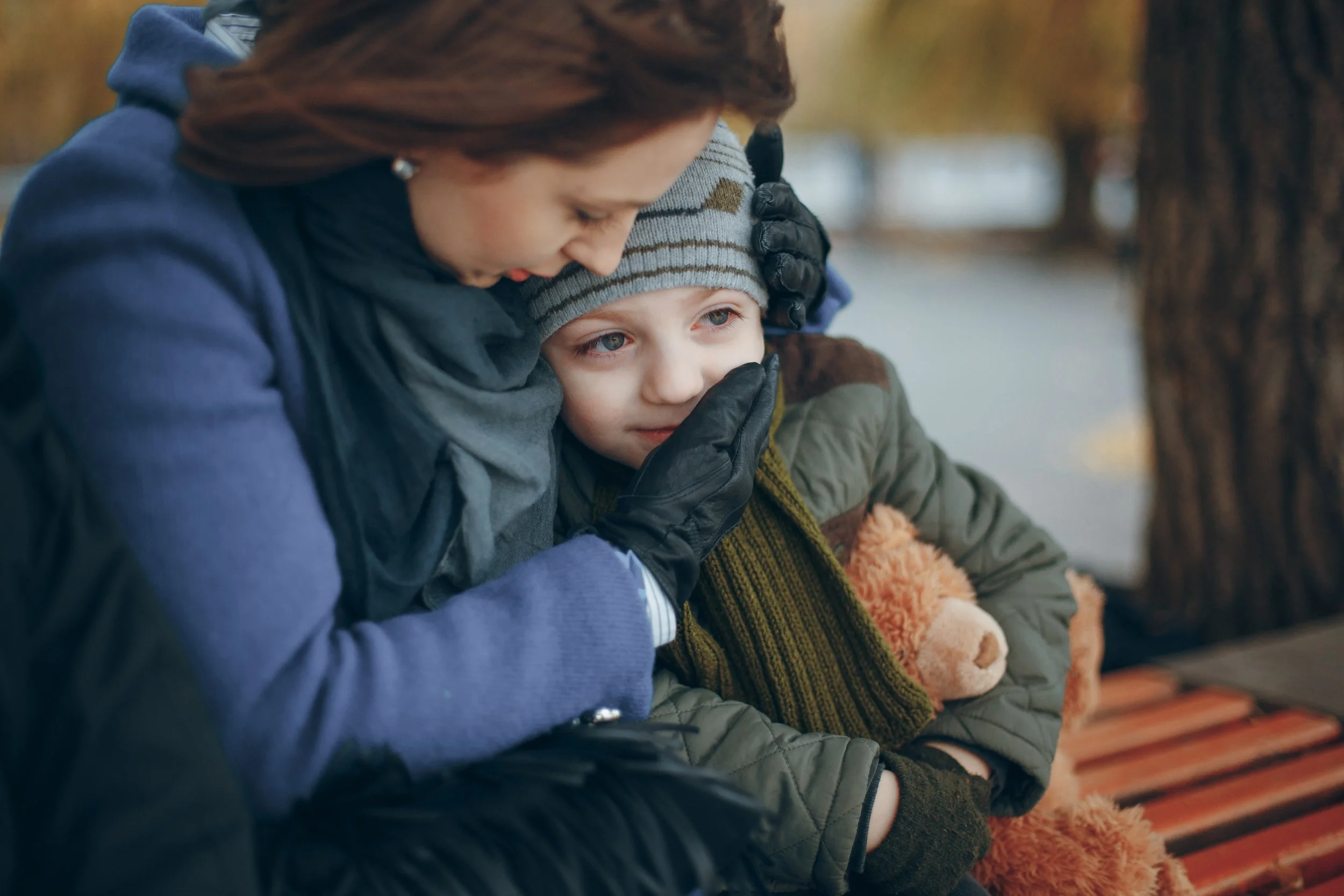
From the preschool playground to the college quad, kids are struggling to navigate simple social situations. Over the past five years, social skills in school-age children have significantly declined, according to a report from Education Week.
Central New York is no exception. Teachers and therapists have shared that kids are having a hard time with basic interactions.
“On a local level, I’m seeing children and adolescents struggle with foundational social skills such as initiating conversations, reading social cues, tolerating frustration, and navigating conflict,” said Claire Currado, Licensed Marriage and Family Therapist at CNY Therapy Solutions. “Many kids appear anxious in peer interactions and have lower confidence engaging face-to-face. I also notice short attention spans during social exchanges and a tendency to withdraw, avoid, or rely on adults to mediate peer conflict rather than attempting to problem-solve independently.”
What’s behind the decline? Modern lifestyles leave less time to develop these skills. Kids are spending more time on screens and participating in structured activities — and less time playing independently.
It’s still possible to build these skills, even in older children. Here are simple steps you can follow to help your child navigate social situations with confidence.
Start With Awareness
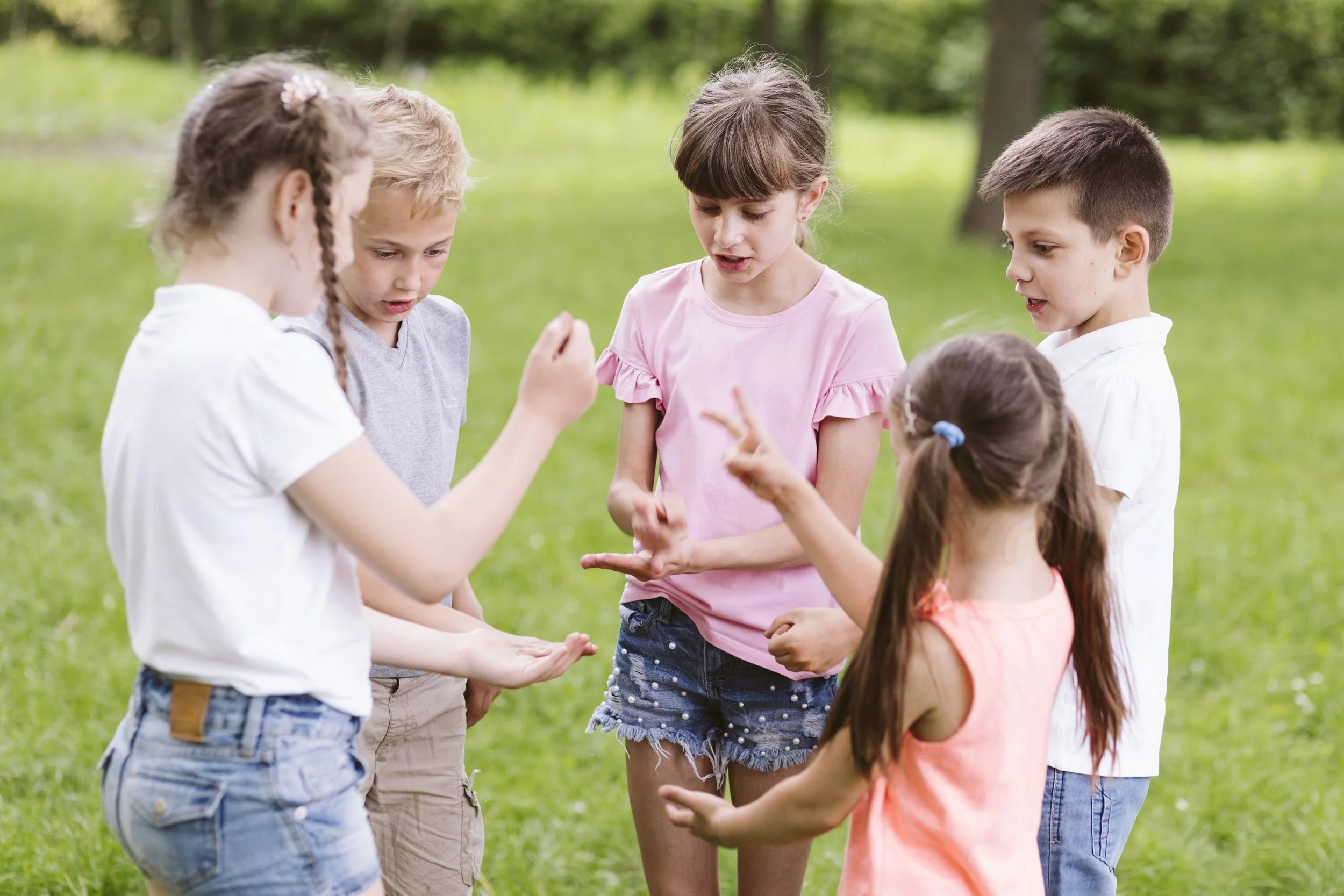
We tend to assume that our kids know how to navigate social situations. For example, if kids can’t decide who gets the first turn on the swings, they might settle it with rock, paper, scissors. No whining, whoever wins, wins. These approaches to conflict resolution and good sportsmanship can be learned organically through unstructured play. But if you notice that your child can’t work through situations like these, it might be a flag to help them build the skill.
“A helpful starting point is observation,” Currado said. “Parents can notice when their child seems to struggle most: joining group play, handling losing a game, taking turns, managing big emotions, or repairing friendships after conflict. Teachers, caregivers, and coaches can also provide valuable insight.”
To be most effective, pick only one or two skills to work on. Avoid the temptation to fix everything at once.
Teach Through Everyday Moments
“Social skills are best taught through lived experience. Modeling is key—children learn a great deal by watching how adults communicate, regulate emotions, and resolve disagreements,” Currado said.
Kids are always watching how you handle situations, so everything that you work through on a daily basis is a potential opportunity to teach.
“Narrating your own thought process, for example: ‘I’m feeling frustrated, so I’m going to take a breath before responding,’ can make skills more visible,” Currado said.
Here are a few more examples of how you can talk through day-to-day interactions:
If Grandma is sick, tell your kids, “Grandma probably needs someone to check on her and cheer her up. Let’s try calling.”
On family movie night, teach kids to compromise when picking the film. One kid narrows it down to five choices, and the other kid makes the final decision from that list of five.
When your child is struggling to tie their shoes, resist jumping in. Wait for them to ask for help before reminding them of the steps.
Then, after you’ve worked through each situation, name the skill and the value behind it:
“We noticed that Grandma might be having a hard time and checked on her. That’s how we take care of each other.”
“Great job compromising on the movie. We all have more fun when we’re all happy.”
“Thanks for asking for help. That’s what problem-solvers do when they get stuck.”
Being proactive in teaching is better than trying to deliver a lesson when a child messes up.
“Learning is most effective when kids feel emotionally safe and supported rather than corrected or shamed,” Currado said.
Create Chances to Practice
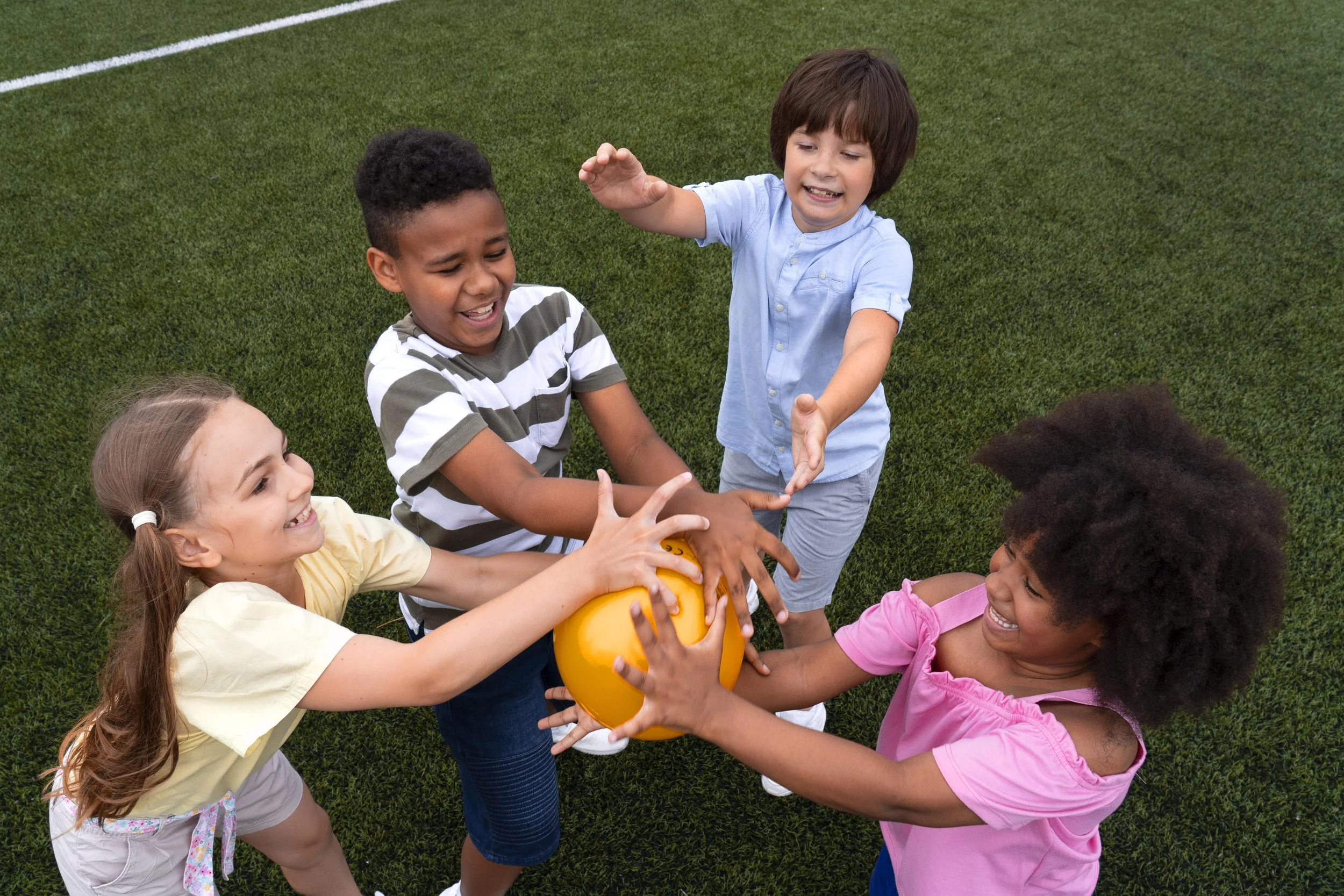
Create ways to practice the skills you are teaching. This could be through games or setting up playdates.
“Practice should feel natural and low-pressure,” Currado said. “Role-playing can help kids rehearse specific situations like asking to join a game or setting a boundary. Unstructured play offers opportunities to practice negotiation, cooperation, and flexibility. Games that involve turn-taking, losing, and teamwork are particularly helpful. After social experiences, make brief, curious check-ins: ‘What felt easy? What felt hard?’ can reinforce learning.”
Keep in mind that kids will still make mistakes. That’s normal, and it’s actually part of the process. Figuring out how to repair missteps matters just as much as avoiding them.
“Emphasizing that social skills are learned over time and not mastered perfectly can reduce pressure and support resilience,” Currado said.